By Mike Sain't Louis ·
I don't want to see your pics: safety on dating apps, sextortion and trap dates
«No me vengas con tus rollos / No quiero ver tus fotopollas»
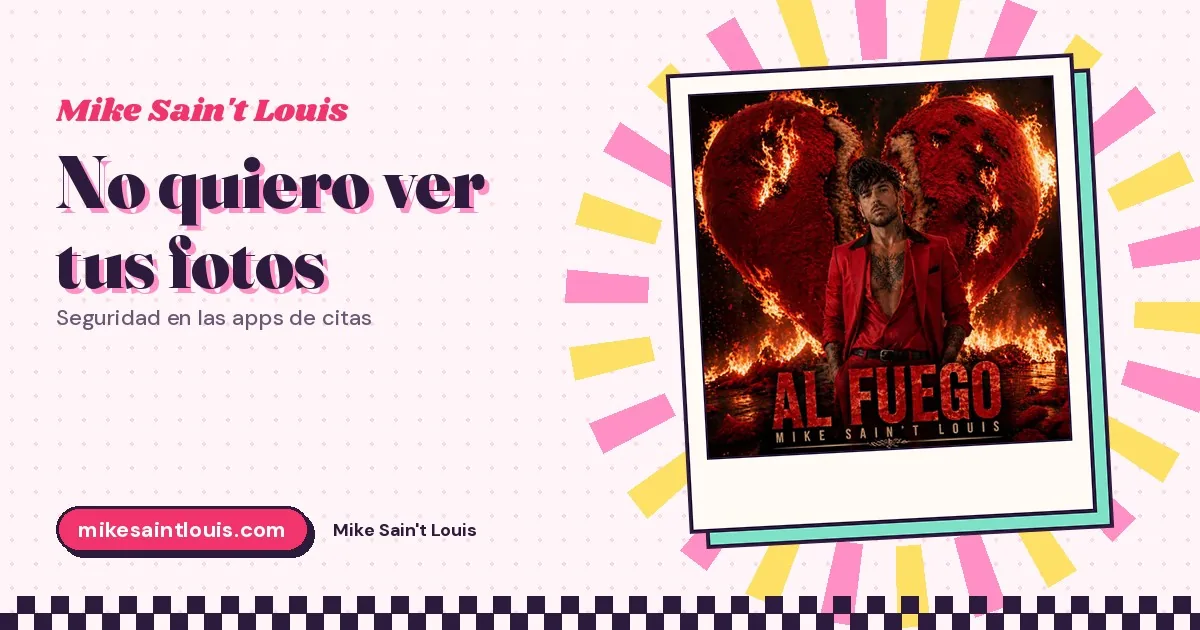
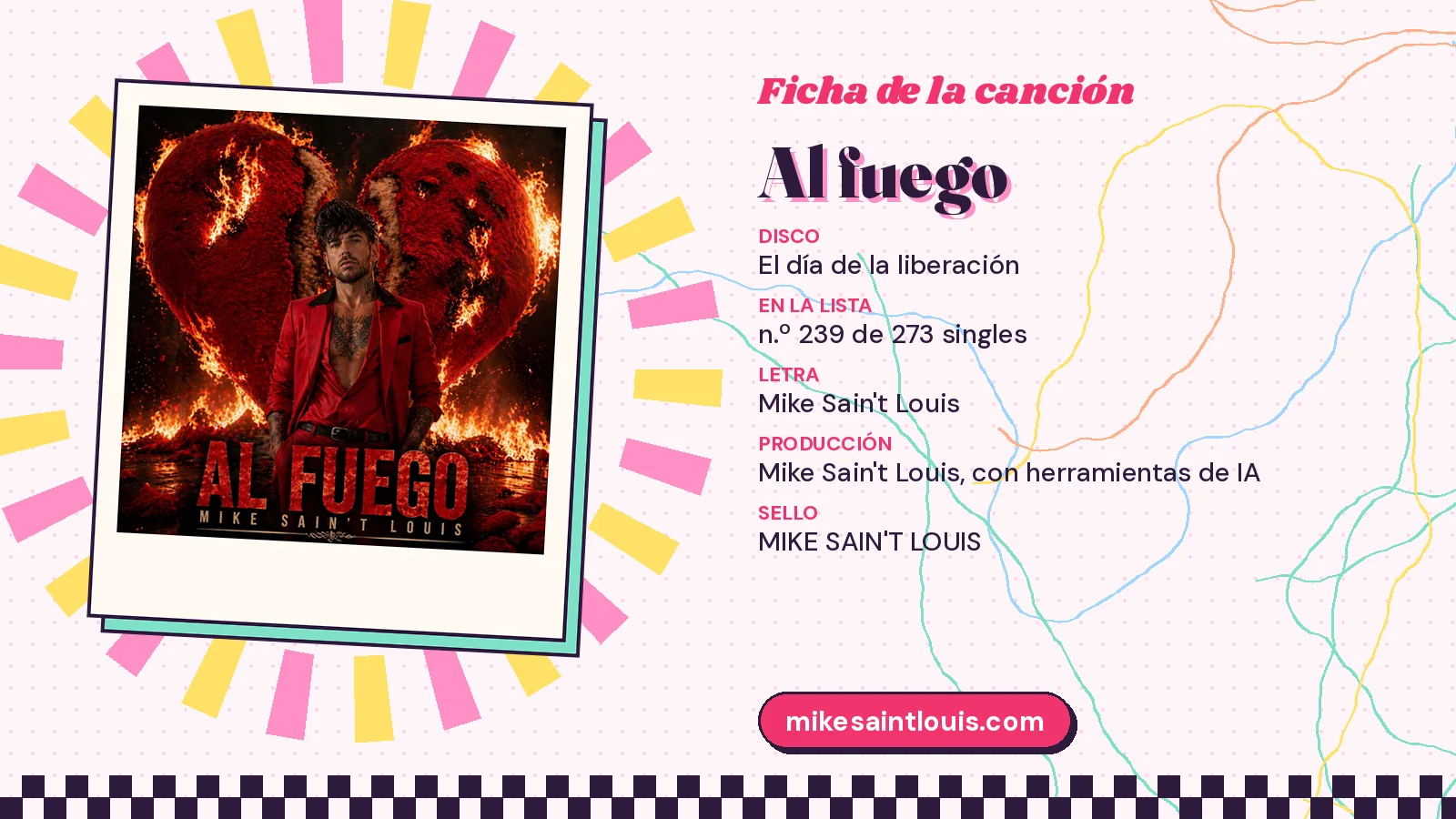
Don't come at me with your stories, I don't want to see your dick pics. It's the bluntest line in «Al fuego» (Into the fire), a song from «El día de la liberación», the third album of the GAYFOLK trilogy. (The full lyrics are on gayfolkplanet.com.) The narrator, who speaks in the feminine with all the cheek of the scene, has decided to cut loose from someone who treated her badly. And among the things she no longer wants are his stories and his pictures. Just like that, no euphemisms.
It makes me laugh and at the same time I find it serious. Because anyone who has used a dating app knows that pictures nobody asked for are almost a greeting. And behind that habit, which many people put up with a shrug, there's a wider issue: what happens to our privacy, our safety and our bodies when we date through a screen.
In «El planeta nació de un bloqueo» I wrote about camp and the catalogue of the apps, and in «Eres gordo, eres calvo» about beauty pressure. Today it's the less fun part: unsolicited pictures, sextortion and the trap dates that in recent years have ended in robberies and beatings of gay men.
What nobody asked for
I'll start with the everyday. Sending a sexual picture to someone who hasn't asked for it is, at the very least, disrespectful. On hook-up apps between men it's become so normal that it sometimes looks like a rule of the game. But it isn't. That an app is for finding sex doesn't mean everyone on it has agreed to receive any image at any moment.
Consent works the same on a screen as in a bar. You ask. You wait for the answer. And if the answer is no, or there's no answer, you don't insist. The song's narrator says it with a clarity I'd like to see more often: she doesn't want those pictures, full stop.
I know the game
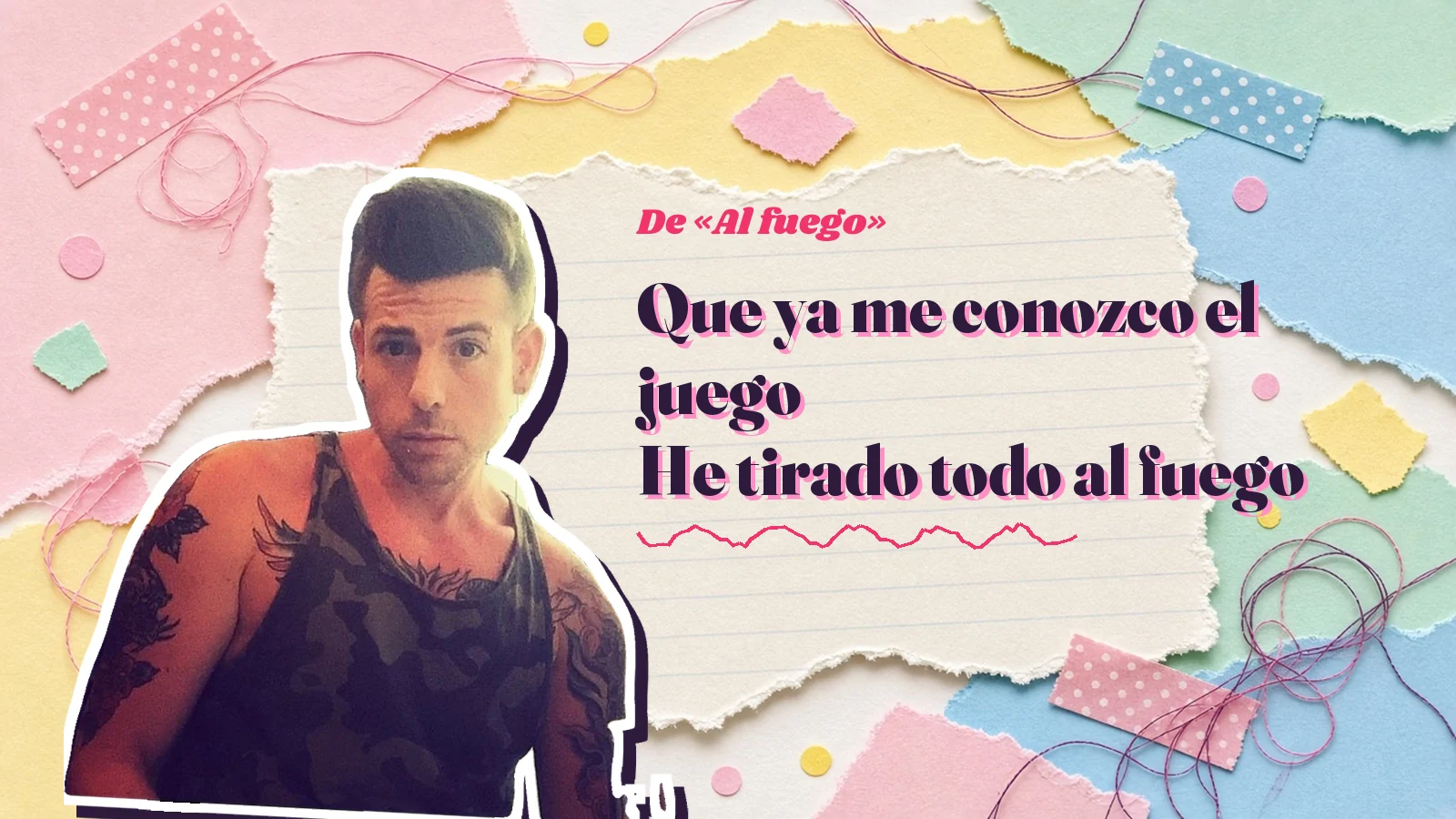
The end of the chorus sums it up: «Que ya me conozco el juego / He tirado todo al fuego», I already know the game, I've thrown it all into the fire. There's the wisdom of someone who has been there before. Knowing the game means recognising the signs: the profile that pushes too hard, the chat that jumps to sex in two messages, the one who asks for your pictures before showing his face, the one who wants to meet now, at your place, no further details.
Not all of those signs announce danger. Often they're just haste or clumsiness. But it's worth keeping them in mind, because some of the stories that follow began exactly like that.
The pictures we send ourselves
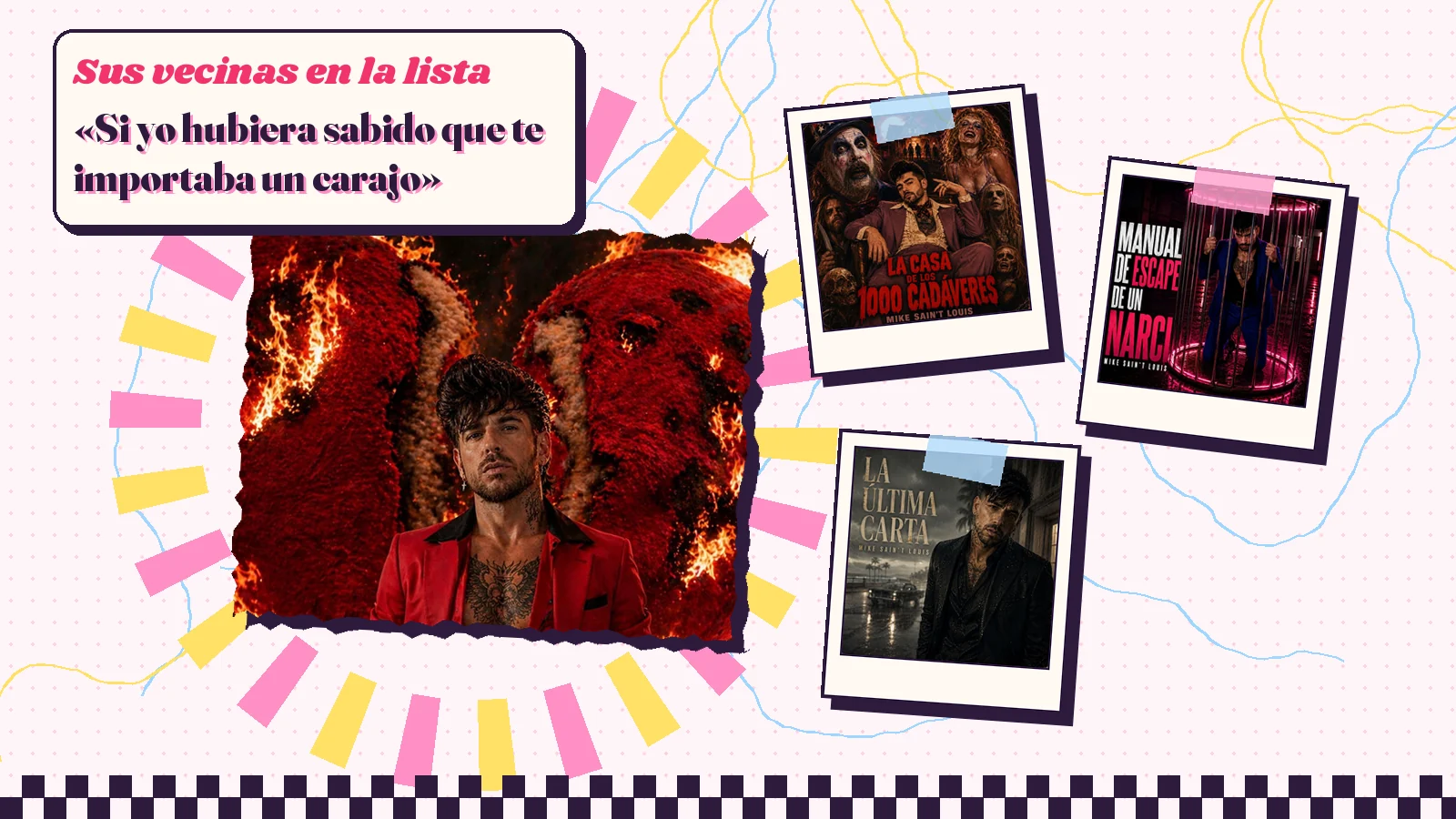
The other side of the line is the sender's. In «La casa de los mil cadáveres» there's a similar reproach, «Le has enviado tus fotopollas», you've sent him your dick pics, aimed at someone who hands out his intimacy without looking at who's receiving it. I don't say it to moralise. Sending intimate pictures between adults who want to is part of dating today, and there's nothing wrong with it.
But it's worth thinking for a second first. If you decide to send a picture, make it to someone you've already talked to and who has asked for it or agreed. Many people avoid having their face, recognisable tattoos or the background of their home in the same image. And it's worth knowing that once sent, the picture no longer depends only on you. That's no reason for shame, but a reason to choose well whom you trust. If someone betrays that trust, the crime, as we'll see, is theirs.
Temporary photos, fake profiles
In September 2024 Spain's National Police arrested four men in Madrid, one of them a minor, charged with seven violent robberies of men they contacted through dating apps. According to reports at the time, they created fake profiles with photos of the group's youngest members, used temporary images that couldn't be recovered later and met their victims at home or in quiet places.

There they threatened them with a knife and a firearm, beat them and forced them to make transfers from their phones before taking valuables. The detainees were also charged with a hate crime, because they insulted the victims for their sexual orientation. Three of the adults were sent to prison and the minor was placed in a closed youth centre.
It isn't an isolated case. In recent years others have come to light in Madrid, the Valencia region and Catalonia, sometimes with substances used to leave the victim unable to defend himself. The pattern repeats: an attractive profile, a quick chat, a date somewhere enclosed and a victim who, the attackers think, won't dare report it.
When the robbery is also hate
There's a detail in that case I find crucial: the hate crime. The attackers didn't pick their victims at random. They sought them out on apps for men seeking men because they thought they'd be easier prey, and they insulted them for being gay while beating them.
Spain's Interior Ministry recorded 528 hate incidents related to sexual orientation and gender identity in 2024, the second-largest category after racism and xenophobia. Those are only the ones that reach the police. Associations have been saying for years that most aren't reported. In «Treinta insultos al despertar» I talked about online hate. Trap dates are the physical version of the same hate, with the phone as bait.
Why victims stay silent
The attackers count on silence, and they have their reasons. Many victims don't report because they'd have to explain at a police station that they'd arranged to meet a man for sex. Some aren't out. Others are married. Others simply feel ashamed, as if having opened the door made them responsible for what happened.
They aren't. Meeting someone isn't a crime or recklessness. The crime belongs to whoever robs, beats or blackmails you. And the more people report, the easier it is for the police to link cases and arrest those responsible: in the Madrid case, it was precisely the match between several reports that put investigators on the trail.
Before you meet
I don't want to turn this into a manual of fear. The vast majority of app dates go well, or at least don't go dangerously. But there are simple habits that greatly reduce the risk:
- Talk a little first. A short video call, even a few seconds, confirms the person is who they say they are.
- Be wary of faceless profiles or ones with too-perfect photos that refuse to show more.
- Search their name or photos online if in doubt. A reverse image search can reveal the photos belong to someone else.
- For a first date, a public place is better. If you go home, make it after you've got to know each other a little.
- Tell someone you trust who you're meeting, where and when, and share your location with them during the date.
- Don't carry more cash or cards than you need.
On the day
If something doesn't add up when you arrive, leave. You don't owe anyone anything for having made the trip. If more people turn up than agreed, if the person doesn't look like their photos, if the place isn't the one you said, you have the right to turn round without explaining.
Watch your drink and don't accept substances from someone you don't know. Drugs that leave a person dazed or unconscious have been used in several of the known cases. And have an exit plan: a friend who calls you at an agreed time, a code message, the ride app ready to go.
If something goes wrong
If you're robbed or attacked, first get to safety and call 112 or the National Police on 091. Don't delete the app conversation or the attacker's profile, however angry or ashamed you feel: they're evidence. Take screenshots of the profile, the messages, the photos and the time of the date, and write down everything you remember.
If your phone was stolen, tell your bank as soon as possible to block cards and transactions. See a doctor if you're injured, even if it seems minor, and ask for an injury report. And report it at any National Police station, a Guardia Civil post or to the regional police. You can say you think you were targeted for being gay; that allows the hate aggravating factor to be investigated.
Sextortion
Another, quieter trap is sextortion. It works like this: someone persuades you to send intimate photos or videos, or to have a sexual video call, and then threatens to send them to your family, partner or workplace unless you pay. Sometimes they don't even have images of you and only pretend to. Other times the blackmailer is an organised network repeating the same script with hundreds of people.
The National Police's advice is clear: never pay, because paying doesn't stop the blackmail, it only proves it works and usually brings new demands. Cut off contact, don't delete anything, keep screenshots of the messages, the profile and any payment demanded, and report it. INCIBE's 017, Spain's cybersecurity helpline, advises you free of charge on what to do and how to ask platforms to remove the content.
If you're a minor, or the person in the images was when they were made, don't wait: it's even more serious and the police have specialised units. And if the blackmail comes to you because you're gay or bi, with the threat of outing you to your family or employer, remember that threat is also a crime. Blackmailers seek out precisely those they think have most to lose. Telling just one trusted person often strips the blackmail of much of its power, because what frightens you most stops being an absolute secret.
There's a cruder version of the same blackmail: mass emails or messages claiming to have recorded the victim through their computer camera while watching porn and demanding payment in cryptocurrency. INCIBE has repeatedly warned about these campaigns. They're almost always a bluff sent to thousands of addresses at once. Don't reply, don't pay and, if you're uneasy, change your passwords.
What the law says about your pictures
Sending someone an intimate picture doesn't give them permission to show it. Article 197.7 of Spain's Criminal Code punishes anyone who spreads, reveals or passes to third parties intimate images or recordings they obtained with the person's consent but without permission to share them, when this seriously harms their privacy. Since 2022, anyone who receives them and forwards them is also punished, with a fine.
Threatening to publish them to get money can also be the crime of threats or extortion. In other words, if someone blackmails you with your pictures, the person committing the crime is them, not you for having sent them. The same goes for the song's narrator and for anyone who one day trusted the wrong person.
The apps' tools
The apps have been adding privacy features. Grindr, for example, according to its help centre, lets you swap the app icon for a discreet one, lock it with a PIN or biometrics, and send expiring photos that can only be viewed once for a few seconds. Paying users can also unsend a message for a limited time.
They're useful tools. But remember that an expiring photo can be captured with another phone, and that an app feature doesn't replace common sense. In the Madrid case, the attackers used temporary photos precisely to leave no trace of their fake profiles.
What the app can't do for you
No app can guarantee the person on the other side is who they say. None can stop someone recording a video call. And none can fully protect you if you meet somewhere nobody knows you are. Safety on the apps is a mix of technical tools, personal habits and a network of people who know where you are.
Nor is it about blaming you if something goes wrong despite everything. You can do everything right and still run into someone who has decided to hurt you. The responsibility is theirs.
Sharing your location without losing your freedom
Earlier I recommended sharing your location with someone you trust during a date. I stand by it, but with an important nuance: it has to be your decision, temporary and with someone you choose. Sharing your location with a friend while you're at a stranger's place is a safety measure. A partner demanding your location around the clock is something else, and I wrote about it in «Te pongo a prueba».
The difference lies in who decides and why. Safety gives you freedom to move; control takes it away. The same tools serve both, which is why it's worth checking now and then who you share your location with, which apps have access to it and whether you still want it that way.
Blocking is self-care too
There's a word that comes up a lot in my lyrics: block. It appears in the cruel catalogue of the apps and also in farewell songs such as «Manual de escape de un narci», where blocking is almost the first instruction for getting out.
On dating apps, blocking and reporting a profile is a basic tool, not rudeness. If someone sends you pictures you didn't ask for, insults you, pressures you to meet or threatens you, block them and report the profile in the app. Many platforms use those reports to detect fake accounts or scam networks. Your report could stop the next person falling into the same trap. And if the harassment continues by other means, as sometimes happens when someone gets your number, keep the evidence and check with 017 or the police. Cutting things off in time, as in «La última carta», is also a way of loving yourself.
If it happens to a friend
If a friend tells you they were robbed on a date or are being blackmailed, the first thing is not to judge. No «how could you?». That only reinforces the shame the attackers need. Listen, help them keep the evidence and offer to go with them to report it or to the doctor.
And if they're afraid their family or partner will find out, remind them the report is confidential and there are LGBTI associations experienced in these cases that can advise them. Sometimes what helps most is knowing they're not the first or the last, and that it isn't their fault.
When the date does go well
I want to be clear about something: the apps aren't the enemy. For many LGBTI people, especially in villages or hostile surroundings, they've been the only way to meet others like them. They've led to partners, friends and, yes, great sex. In «Deseo con wifi» I wrote about the algorithm as matchmaker, with its funny side.
Looking after yourself doesn't mean giving that up. It means enjoying it with less fear. Just as nobody stops going out at night because some streets are badly lit, nobody should stop dating online because some people use it to do harm.
Where to find help
In an attack or immediate danger, call 112. To report, call the National Police on 091 or the Guardia Civil on 062, or go to any station or post. These services can also advise you; I checked them on their own websites:
- INCIBE's 017, for sextortion, stolen accounts or leaked pictures: free and confidential, 8:00 to 23:00 every day.
- FELGTBI+'s Línea Arcoíris, focused on families, young people and hate crimes: 913 604 605 and WhatsApp 676 78 58 30.
- In Madrid, COGAM, with LGBTI information on 91 523 00 70.
- Fundación ANAR, if you're a minor: 900 20 20 10.
Blackmail or an assault can leave you with anguish that's very hard to bear, especially if you feel you can't tell anyone. If at any point you think about harming yourself or taking your life, in Spain 024 answers free of charge, confidentially and at any hour. If you're outside Spain, contact your country's crisis line or its emergency number. Asking for help works; I explain it in «Hablemos del suicidio sin tabú», and there are more resources in the index of my mental-health series.
I've thrown it all into the fire
The song opens with a conditional, «Si yo hubiera sabido que te importaba un carajo», if I'd known you didn't give a damn, and ends with a bonfire. I've already written about that conditional in «Si yo hubiera sabido». What interests me here is the final gesture: burning what ties you to whoever hurt you, and moving on.
In digital life you can't always burn everything. Photos, messages and profiles leave a trace. But you can do something similar: block, report, ask for help, tell someone. And learn the game without giving up playing. The narrator calls herself a fool, but in the end she's the smartest person in the song: she knows what she doesn't want to see, and she says so.
Frequently asked questions
What should I do if I'm being sextorted? Don't pay, because paying doesn't stop the blackmail. Cut contact, keep screenshots of the messages, the profile and any demand for money, delete nothing and report it to the National Police, the Guardia Civil or the regional police. INCIBE's 017 advises you free of charge.
Is it a crime to share an intimate photo someone sent me? Yes. Article 197.7 of Spain's Criminal Code punishes sharing without permission intimate images obtained with consent when this seriously harms the person's privacy. Since 2022 anyone who receives and forwards them is also punished.
What are trap dates? Dates set up through apps with fake profiles in order to rob, attack or blackmail the victim. In 2024 the National Police arrested a group in Madrid accused of seven violent robberies of men contacted this way, with a hate-crime charge.
How can I meet more safely? Have a brief video call first, be wary of faceless profiles, meet in a public place the first time, share your location with someone you trust and leave if something doesn't add up when you arrive.
What is «Al fuego» about? A narrator who realises the person she loved cared little, decides to stop putting up with his excuses and his pictures, and burns it all to move on. It's a song from «El día de la liberación», the third album of the GAYFOLK trilogy.
Who writes these songs? Mike Sain't Louis, lyricist, composer and music producer from Madrid, who presents himself as the first AI songwriter. The vocals and music of his songs are made with artificial intelligence.