
By Mike Sain't Louis ·
«This is the procedure»: «Dientes, dientes» and how to deal with someone watching your every move
A man with spiky black hair, a full beard and a deep frown looks into the camera like he’s in no mood for anyone. Over his shoulders he wears a huge coat of black and red feathers, open over his tattooed chest, and behind him everything is burning: orange flames rising on both sides until they vanish into the black. At the bottom, in thick, weathered letters, «DIENTES,» in white and «DIENTES» in red.
That’s the cover of «Dientes, dientes», «teeth, teeth», and it really makes me laugh, because the man in the photo isn’t showing his teeth. He’s serious. Very serious. In a feather coat that looks like it belongs to a phoenix, with a fire behind him. The smile the song is named after isn’t in the picture. What’s there is the fire that the one who smiles has walked out of.
The song is on «Descubierto un nuevo planeta llamado Gayfolk», the first album of the trilogy, and it’s number 246 in the full list of singles. Its page on the blog already explains the smile as a weapon against envy. Here I want to focus on something else: the envious person who watches your every step, and the very odd word for a song that turns up in the middle of the second verse: procedure. Because «Dientes, dientes» is less an attitude than a protocol.
A phrase that already belonged to everyone
Before it was a chorus, «dientes, dientes, que es lo que les jode», «teeth, teeth, that’s what pisses them off», was already public property. It became famous when Isabel Pantoja said it in front of the gossip-magazine cameras, and since then half of Spain has used it as a motto: when someone wants to see you down, you answer with a smile.
I’m fascinated by how phrases like that work. They’re born somewhere very specific, a photo call, a court exit, a TV studio, and within a few years they don’t belong to anyone. Your aunt says it at a wedding, your flatmate says it when she bumps into her ex, the waiter says it when the annoying customer finally leaves. They turn into proverbs.
What the song does is take that modern proverb and treat it as what it is: a tool. Something you can use again and again, with its own steps and its own effects. The chorus doesn’t explain the phrase. It carries it out.
The one who watches
The second verse has a line I think is the key to the whole song: «You control my every move».
The envy described in «Dientes, dientes» isn’t the kind you feel in silence and keep inside. It’s the kind that watches. The kind that checks your stories, finds out where you’ve been, comments on what you do, repeats what you’ve said. It’s envy with binoculars.
We all know someone like that. Sometimes it’s a colleague who always knows what time you got in. Sometimes it’s someone in your group of friends who asks about everything with slightly too much interest. Sometimes it’s an ex who doesn’t speak to you but sees everything. The form changes. The gesture is the same: paying more attention to your life than to their own.
And the interesting thing is that all that watching is already a kind of confession. Nobody tracks every move of someone they don’t care about. If they’re watching you that closely, something of yours is weighing on them.
You should be in treatment
The second verse opens almost like a doctor’s appointment: I should put you in treatment. So much envy must be agony.

I love that twist, because it completely changes the position of the person speaking. He’s no longer the victim of envy. He’s the doctor. He looks down at the envious one, white coat on, and gives his diagnosis. Poor thing. That must hurt.
There’s something very camp about that fake compassion. It isn’t real compassion, obviously. It’s a very refined way of humiliating someone. Instead of getting angry with the person who has it in for you, you pity them. And pity, when nobody asked for it, stings more than an insult.
But there’s some truth in the diagnosis too. Envy sustained over time is exhausting for the one who feels it. Spending all day keeping tabs on what someone else is doing, comparing, counting, brooding, is a full-time job. People who envy like that suffer. The song says it with a smirk, but it says it.
Don’t worry!
And right after the diagnosis comes a line in English, exclamation marks and all: Don’t worry! This is the procedure.
It’s my favourite moment in the lyrics. That switch of language in the middle of a very Spanish verse has the air of a flight attendant, of a nurse in an American TV series, of someone explaining with a professional smile what’s about to happen. Don’t worry. Everything’s under control. This is what we always do.
And the procedure is the chorus. Teeth, teeth.
What I like about calling it a procedure is that it takes all the emotion out of it. It isn’t a reaction. It isn’t an outburst. It’s what you do, the same way there’s a protocol for a fire or an evacuation. When the envious one turns up, you don’t think, you don’t get worked up, you don’t argue. You follow the procedure.
The procedure, step by step
If I had to write out the «Dientes, dientes» protocol like an emergency notice stuck on the back of a door, it would go something like this.
One: identify. Watch out, envy kills, says the very first line of the song. You have to be able to recognise it. Not all criticism is envy, but the kind that watches your every move usually is.
Two: don’t buy the goods. Don’t come at me with your cheap fakeness. Envy often arrives dressed up as concern, as advice, as a joke. You have to spot the price tag.
Three: know your place. I’m the gold and you don’t even make silver. Not out of arrogance, but so you don’t forget where everyone stands.
Four: smile. Teeth, teeth.
And five: let the smile do its job: that’s how their rage dies, that’s how their hate can’t bite.
It’s a very simple protocol. The hard part, as with every protocol, is remembering to follow it when the smoke is already coming in under the door.
Watch out, envy kills
The song begins with a warning: watch out, envy kills.
It’s a line with something of the grandmother about it, a village saying. And it’s ambiguous, which is what I like. Who does envy kill? The one who’s envied, because the envious one hurts them? Or the envious one, because they eat themselves up inside?
The lyrics don’t say, and I think both readings work. The envious can do a lot of damage: gossip, sabotage, comments behind your back. But they also damage themselves. Envy that watches someone else’s every move is a way of not living your own life.
That first line also sets the tone. It doesn’t start with a complaint or a lament. It starts with a warning, almost a polite threat. Careful, this stuff kills. And from then on, the person speaking isn’t going to let it kill him.
Cheap fakeness
The second line is a rejection: don’t come at me with your cheap fakeness.
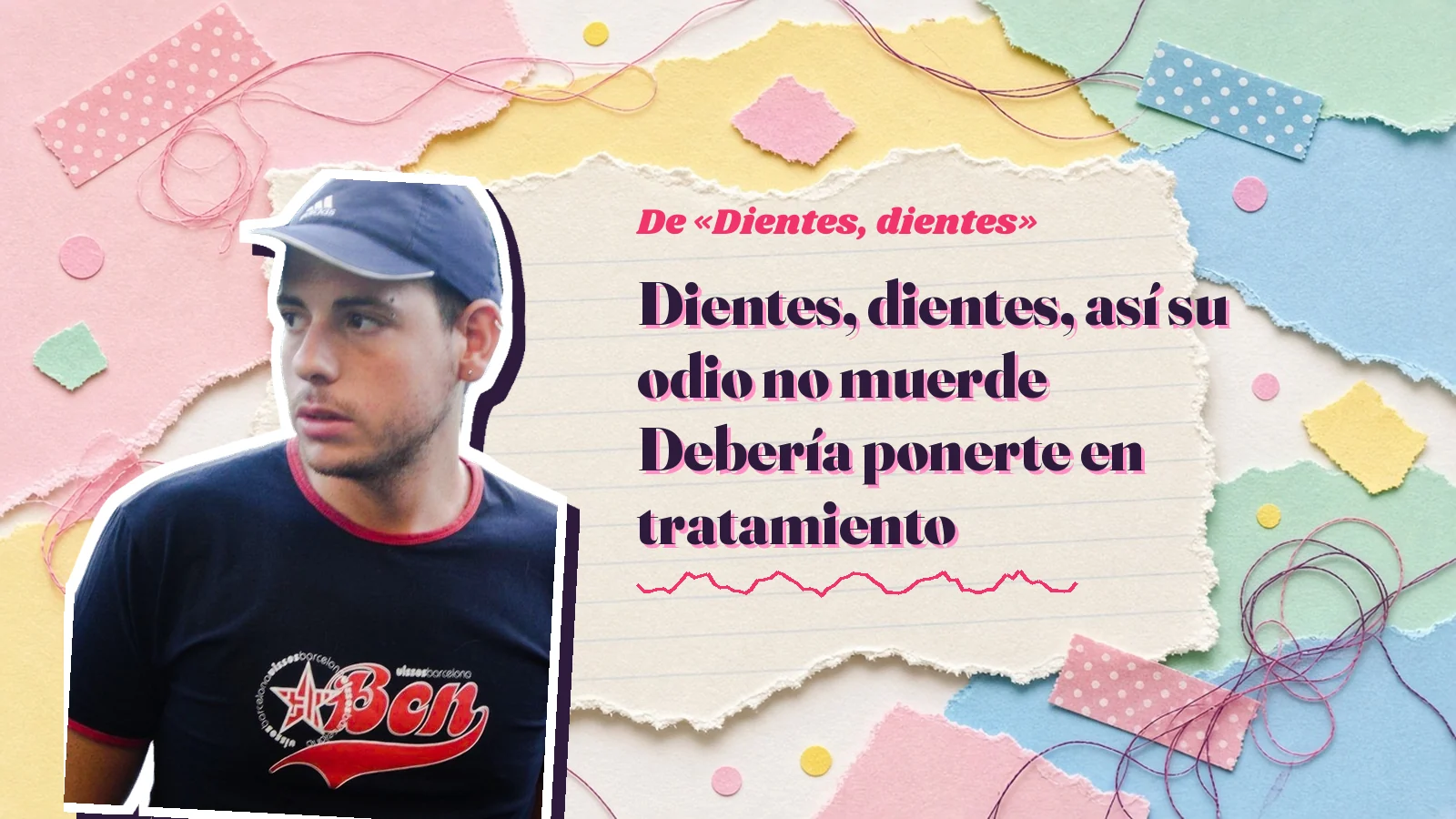
The «cheap» makes me laugh. It isn’t just fake. It’s badly made, too. You can tell. It’s the fakeness of someone who congratulates you through gritted teeth, who kisses you on both cheeks and then tears you apart in the group chat, who says «you’re looking well» in a tone that means exactly the opposite.
Some fakeness is very elaborate, very well done, hard to spot. The kind in this song isn’t like that. It’s flea-market stuff. And that’s exactly why the person speaking just turns it down: don’t even try to sell it to me, I can see the seams.
Gold and silver
Then comes the first of the two comparisons on the album I like best: I’m the gold and you don’t even make silver.
It’s a podium line. An Olympic medal table. And the cruel part isn’t that the other one is silver, which would mean coming second. It’s that he doesn’t even make silver. He isn’t even on the podium. He’s fourth, fifth, who knows.
I think it’s a very vivid way of explaining something that happens a lot with envy: the envious person isn’t really competing with you. They’re competing with an idea of you. And meanwhile you didn’t even know there was a race. For someone who envies, life is a permanent competition. For the person on the receiving end, it’s often just their life.
The song does play along, mind you. If there are medals to hand out, let’s be clear about who gets the gold.
The phoenix and the rat
And the comparison that makes me laugh most on the whole first album: I’m a phoenix and you’re a rat.
The phoenix is the mythological bird that burns and rises again from its ashes. It’s the classic image of someone who has fallen and got back up. Someone who’s been through the fire and come out whole, or more whole than before. And the cover, with that coat of black and red feathers and the fire behind, is pure phoenix.
Up against that, a rat. Not a rival bird, not another majestic creature. A rat. The thing that lives in the sewers, that gnaws, that hides, that turns up when you’re not looking.
The mismatch is what makes it funny. If the comparison were more balanced, it would be an ordinary insult. This way, it’s a caricature. And caricatures, like the smile in the chorus, disarm people far better than a serious comeback.
What pisses them off, what hurts them
The chorus has four lines and each one does something different.
The first two explain why the smile works: that’s what pisses them off, that’s what hurts them. The person who envies you expects to see you down. They expect the long face, the anger, the heated reply. If you smile at them instead, you take away what they came for.
The next two explain what it achieves: that’s how their rage dies, that’s how their hate can’t bite. It’s almost a spell. The smile doesn’t just annoy the envious one: it switches them off. Their rage runs out of fuel. Their hate, out of teeth.
I like that final play on the word. You bare your teeth, and the envious one is left with nothing to bite with. The song turns the smile into a kind of dental shield. Teeth against teeth, and yours win.
Repeating it until it means nothing
The word «dientes» comes up a huge number of times in the song. Twice a line, four lines per chorus, two choruses. It’s a repetition that ends up emptying the word.

That’s what happens to words that get repeated a lot: they stop meaning and turn into sound. Teeth, teeth, teeth, teeth. In the end you’re not thinking about teeth any more. You’re thinking about a rhythm, a beat, something you tap out with your foot.
And I think that suits a song about a procedure. Protocols get repeated until they become automatic. Until you don’t have to think about them. The repetition in the chorus is exactly that: training. So that when the envious one turns up, the smile comes out by itself.
Smiling isn’t putting up with it
There’s one reading of «Dientes, dientes» I’d like to avoid: that you have to smile and swallow it. Put a brave face on everything, not make a fuss, take whatever they throw at you.
That isn’t what it’s about. The smile in the song isn’t the smile of someone who keeps quiet so as not to cause trouble. It’s the smile of someone who keeps quiet because they’ve already decided the other person isn’t worth the argument. Those are two very different silences. The first eats you up inside. The second leaves you light.
The difference lies in everything around the chorus. Before smiling, the person speaking has warned that envy kills, turned down the cheap fakeness, put himself in gold position and sent the other one off to the sewer. He’s said everything he had to say. The smile doesn’t replace those words: it comes after, like a full stop.
That’s why the song isn’t a manual for submission. It’s the opposite. Smiling, here, is a way of setting a boundary without shouting.
The envy that comes from close by
The song doesn’t say who the envious one is, and I think that’s right. But there’s something in the tone, in that tracking of every move, that makes you think of someone close. Not a stranger on the internet. Someone who has access to your life.
The envy that hurts most usually comes from close by. From your friends, your family, your job, the scene. In small worlds, where everyone knows everyone, anything that goes well for you really shows. A fling, a new job, holiday photos, a bit of attention. And there’s always someone who takes it worse than they let on.
The tricky thing about envy from close by is that you can’t cut it off completely. You’re going to keep seeing that person at dinners, at the office, at the usual bar. No block button will help. And that’s exactly what the procedure is for: living alongside it without letting it make you bitter.
When a smile isn’t enough
I like being honest about what a song can and can’t do. «Dientes, dientes» offers a very effective response to low-level envy: the remark, the look, the gossip. For that, the smile works wonders.
But some envy goes further. It turns into harassment, sabotage, real harm. There, a smile isn’t enough, and the song doesn’t pretend it is. There are times when you have to step away, talk to someone, ask for help or cut ties completely.
I say this because I wouldn’t want anyone to hear this song and think they have to put up with anything at all with a smile on their face. The procedure is for everyday life. For real emergencies, there are other protocols.
A chorus for the mirror
There’s another way of using «Dientes, dientes» that has nothing to do with the envious one. Using it in front of the mirror.

Before leaving the house on a bad day, when you know you’re going to cross paths with someone who looks at you sideways, the chorus works almost like a rehearsal. You look at yourself, you straighten up, you show your teeth. You practise. The way an actor runs over their lines before going on stage.
And there’s something of self-esteem training in it. Repeating that you’re the gold, that you’re a phoenix, even on a day you don’t quite believe it, leaves a mark. It isn’t magic. It’s habit. The things you tell yourself in the morning end up being the things that hold you up in the afternoon.
Maybe that’s why the chorus repeats so much. Not only so the envious one hears it. So you hear it too. And so that, after hearing it so many times, one fine day you catch yourself smiling without having rehearsed it first.
A song with no victim
There are lots of songs about envy and most of them are written from pain. They’ve hurt me, they’ve criticised me, I don’t understand why.
«Dientes, dientes» is written from the other side. Nobody cries here. The person speaking knows he’s envied, knows why, knows what the other one feels and knows what he has to do. There isn’t a single line of doubt.
I think it matters that songs like this exist, especially for LGBTQ+ people, who have so often had to put up with stares, comments and surveillance. Not every song has to be about the wound. Some have to be about the armour. And this is one of those.
The cover: fire and feathers
Back to the cover, because I think it tells the song in a very different way from the lyrics.
The lyrics are swagger and smiles. The cover is seriousness and fire. The man isn’t smiling; he’s frowning. Everything is burning behind him. And he’s wearing that coat of black and red feathers which is, without saying so, the phoenix from the opening verse.
I think the cover shows what’s behind the smile. To be able to smile like that at the envious one, you first had to walk out of the fire. The swagger in the chorus isn’t naive: it belongs to someone who’s already burned and come back. And that’s why a rat’s rage doesn’t get to him much.
Between an egg and some hypocrites
In the list of singles, «Dientes, dientes» comes right after «Esta es la composición nutricional de un huevo» and right before «Hipócritas». I like that neighbourhood: a title that sounds like it’s from a nutrition textbook, a protocol-song against envy and, after it, another dedicated to the people who hide the worst of themselves behind a fake smile.
That last pairing strikes me as especially lovely. In «Dientes, dientes» the smile is an honest shield. In «Hipócritas», the smile is a mask. Two opposite uses of the same gesture, one after the other.
For anyone with someone watching
«Dientes, dientes» is for anyone with someone keeping tabs on their every step. For anyone who knows there’s a colleague, a sister-in-law, an ex or an acquaintance who watches, comments and reports back. For anyone tired of explaining themselves.
And it’s for playing before you walk into the meeting, the family dinner or the party where you know that person will be. For running through the procedure on the way. Gold, not silver. Phoenix, not rat. And, when the moment comes, teeth.
As a lyricist, I love having squeezed a gossip-magazine catchphrase, a doctor’s appointment and a flight attendant into the same song against envy. I call myself «the first AI songwriter» because I make the music and the vocals with artificial intelligence, but the procedure is mine. If you need it to hand, it’s on the downloads page, for free.
Frequently asked questions
Which album is «Dientes, dientes» on? On «Descubierto un nuevo planeta llamado Gayfolk», the first album in Mike Sain't Louis’s GAYFOLK trilogy. It’s number 246 in the full list of singles.
What is «Dientes, dientes» about? About the envy of someone who tracks every move the person speaking makes, and the response the song proposes: don’t take the bait, remember who’s who and answer with a smile.
Where does the expression «dientes, dientes» come from? It’s a very popular phrase in Spain that became famous when Isabel Pantoja said it in front of the gossip-magazine cameras, as a way of answering anyone who wants to see you down with a smile.
What’s on the cover? A serious bearded man in a coat of black and red feathers, with flames behind him and the title in white and red letters.
Who made the song? The lyrics are by Mike Sain't Louis, lyricist, composer and music producer from Madrid. The music and vocals were made with artificial intelligence tools.