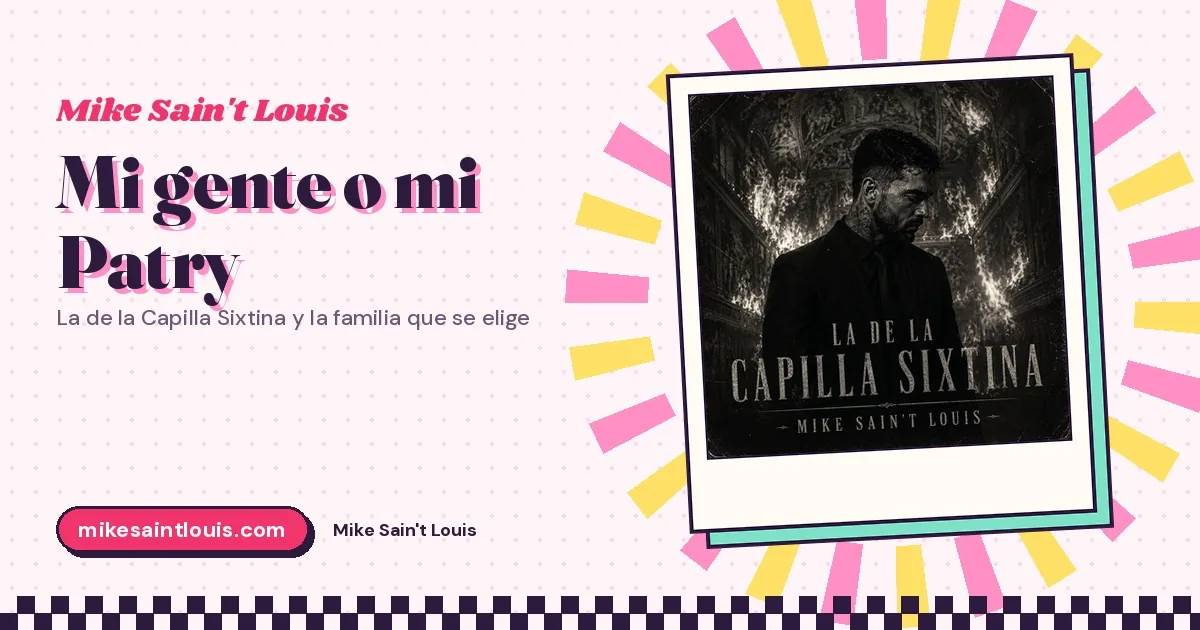
By Mike Sain't Louis ·
My people or my Patry: «La de la Capilla Sixtina» and the family you choose
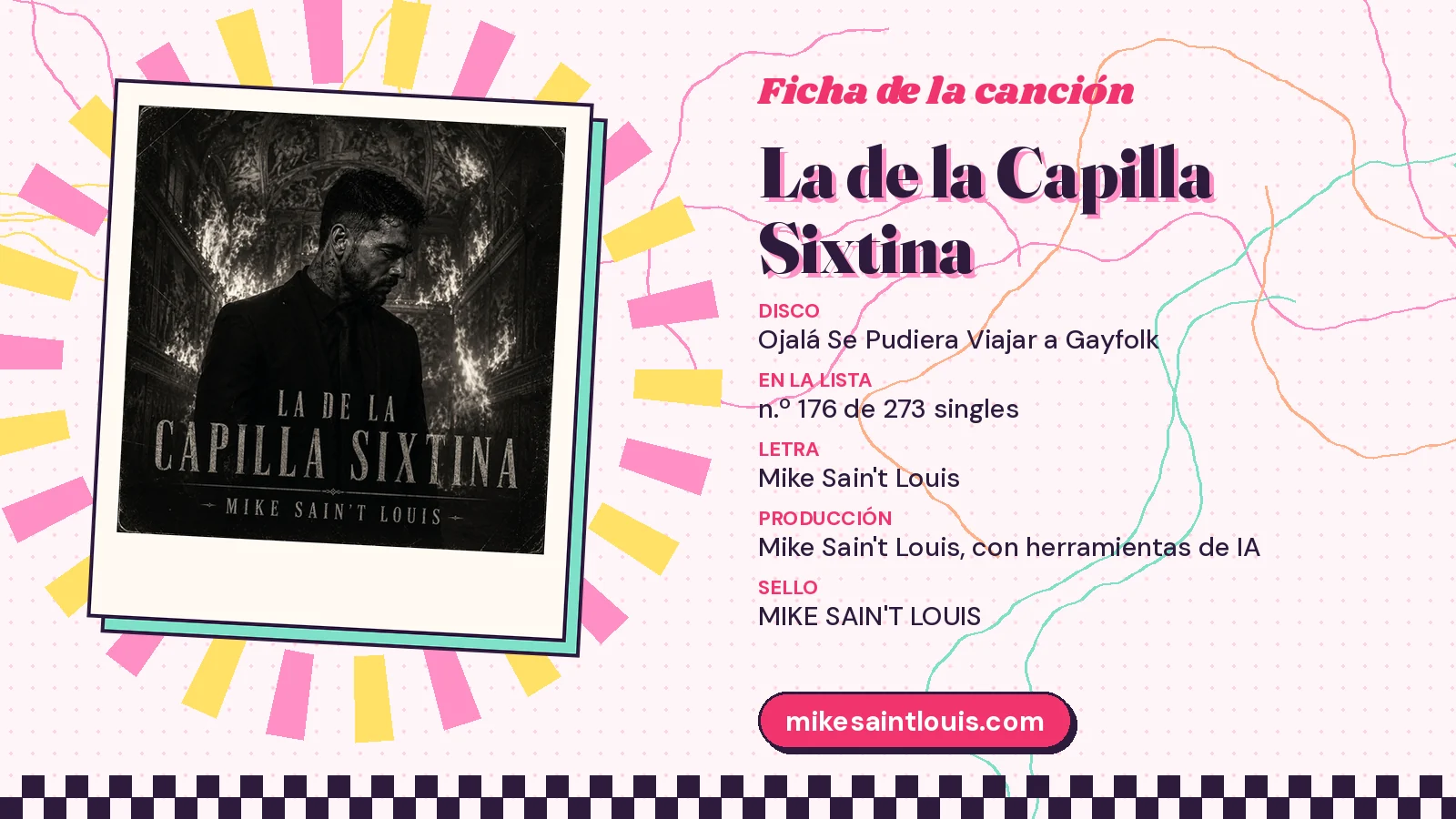
Some lyrics take thirty seconds to read and keep circling in your head for a week. «La de la Capilla Sixtina» (The Sistine Chapel One) is one of those. Fourteen lines, and the last three repeat the same name. No verses, no bridge, no story told in detail. A decision, a brutal line, a tally of lives and a nickname. And that's enough.
Because it's so short, and because I think it makes far more sense read in one go, here it is in full, in the original Spanish, before we begin:
Ya , nunca más,
Volveré
A confiar
En alguien
Que no sea mi gente
O mi Patry
Lo demás es siempre para aniquilarme
No soy un condón que tiras después de
Usarse
Y ya he usado seis vidas
La séptima es la definitiva
La de la capilla sixtina
La de la capilla sixtina
La de la capilla sixtina
Roughly, in English: never again will I trust anyone who isn't my people or my Patry; everything else is always out to annihilate me; I'm not a condom you throw away after it's used; I've already used up six lives; the seventh is the final one, the Sistine Chapel one.
On the song page I already talked about cats' lives, the leap from the tacky to the sacred, and why the seventh life deserves the chapel's name. Here I want to stay with the opening lines, the ones that get the least attention and say the most to me: never again trusting anyone who isn't my people or my Patry. Because behind that line there's a huge idea, the family you choose, and a hard question: what happens when, after being hurt, you decide to close the circle.
A decision that starts with a comma
The lyrics open with "Ya" followed by a stray comma, like someone drawing breath before saying something they've been chewing on for a while. Then, line by line, almost word by word, the decision comes out: never again, will I, trust, anyone. It's broken into very small pieces, which makes it read slowly, with pauses, like a promise you make to yourself.
It isn't a reflection, it's an oath. And oaths sworn after a blow tend to look like that: short, cutting, without nuance. "Nunca más", never again, is one of the most final expressions in Spanish. It leaves no door ajar. Whoever says it is locking something up.
That moment, the oath, fascinates me. Everyone has lived it. You come out of something that has left you in pieces and you promise yourself it won't happen again. That you won't let anyone else in. That from now on, it's only your own.
My people
The lovely thing about the lyrics is that the oath isn't "I'll never trust anyone again". It has an exception, and the exception says it all: my people, or my Patry.
"Mi gente", my people, is a weighty phrase in Spanish. It doesn't mean exactly "my family" or exactly "my friends". It's something vaguer and stronger at once: the people who are yours, who show up, who've proved they can be counted on. It might include a sister, a friend from school, an ex who stayed a friend, the neighbour who carried your shopping up when you were in a bad way. It's not a group defined by blood or paperwork. It's defined by deeds.
In LGBTQ+ culture that idea has a name and a history. It's called chosen family. The anthropologist Kath Weston studied it in her 1991 book "Families We Choose", about gay men and lesbians in San Francisco who, often rejected by the families they were born into, had built networks of friends, exes and neighbours that worked as real families. They nursed the sick, spent holidays together, lent each other money, stood by each other at funerals.
For many of us that idea isn't theory. For decades, coming out meant risking the loss of your family. And many people, above all in the hardest years of AIDS, survived thanks to the people they chose. When the lyrics say "my people", that's what they're talking about, even if they don't put it in those words.
And my Patry
Then comes a proper name: Patry. Who she is goes unexplained. It doesn't need explaining. Everyone has a Patry, or a Mari, or a Javi. That particular person who is more than "my people", who earns a mention of her own. The three-in-the-morning friend. The one who knows everything and has never used any of it against you.
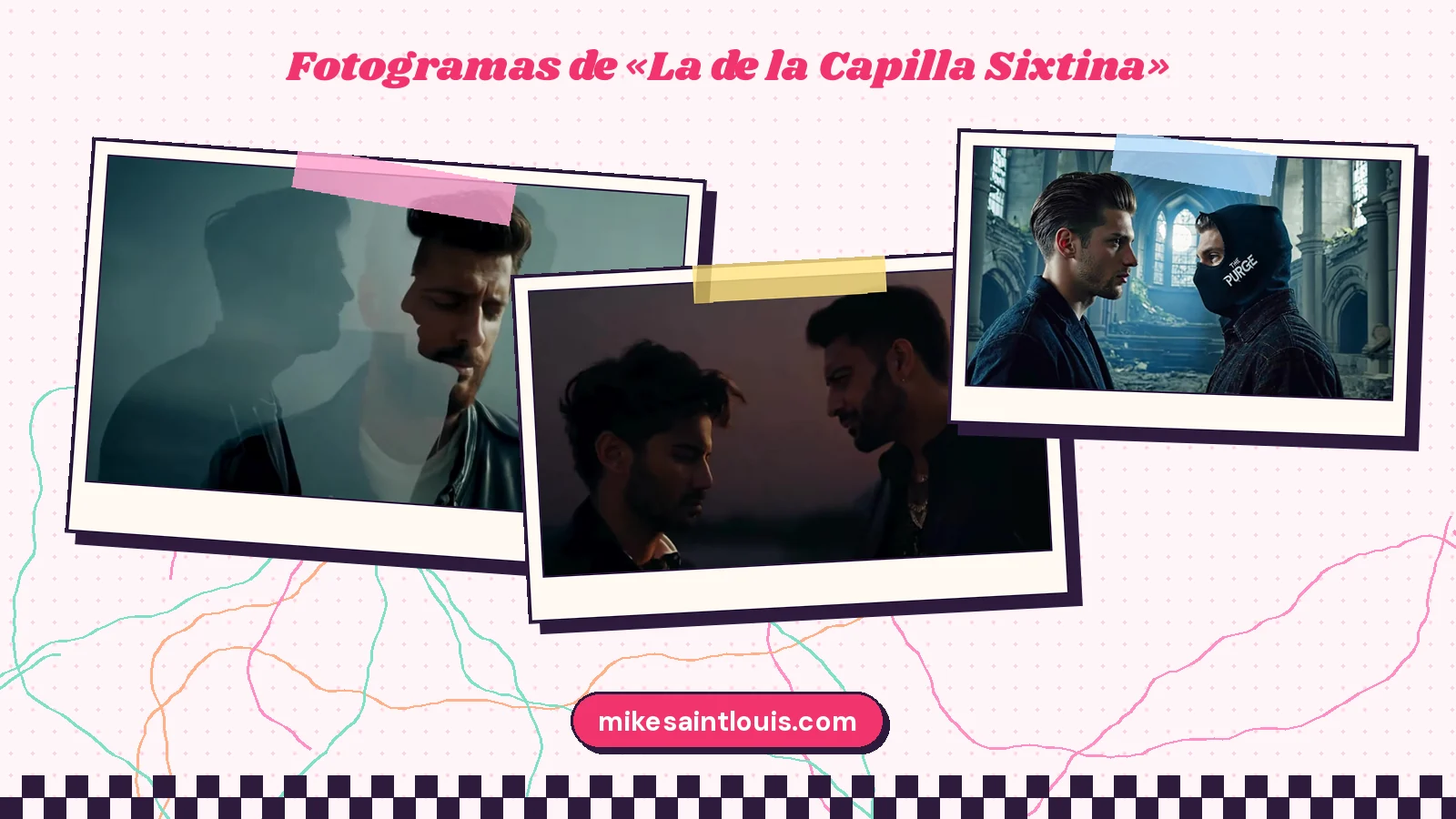
As always in my lyrics, Patry is a character in the song, not a person anyone could point to. She also turns up, for instance, in Ese chulito, and in both lyrics she plays a similar role: the trusted friend, the fixed point when everything else is shifting.
I love that the lyrics give her a line all to herself. In a song this short every line counts, and devoting a whole one to a friend is almost a declaration of love. Not romantic love, but that other kind that sometimes outlasts every boyfriend put together. The love of the friend who was there before the ex and will still be there after.
There's something very neighbourhood about that article in front of the name, "la Patry" in Spanish. It's how people talk about their loved ones in Madrid and half of Spain: la Patry, el Javi, la Mari. It gives the name a homely, lifelong air, someone who's already part of the scenery.
Everything else
Having named its own, the song dispatches the rest of the world in a single line: everything else is always out to annihilate me. "Lo demás", everything else, in the neuter, as if they weren't even people. And "always", no exceptions. It's an exaggerated line, and it knows it. But that's exactly how exaggerated you feel after a betrayal.
There's a psychological mechanism that explains the feeling well. When someone really hurts us, the brain tends to generalise. It's no longer "this person deceived me", but "people deceive". It's a form of self-protection: if everyone is dangerous, you'll never drop your guard with anyone, and no one will catch you off guard again.
The trouble is that protection comes at a cost. If you close the circle completely, you also shut out people who might be good for you. The lyrics don't go there, because they're written from inside the moment of the oath, while it still hurts. But I think it's worth saying: "never again" is a phase, not a destination. With time, the circle usually opens a little again. Not all the way, not for just anyone, but a little.
The brutal line
Then comes the most outrageous line in the song, the one about the condom. I covered it on the song page, so here I only want to add one thing: what that line really says is "I'm not disposable". It's the same idea that runs through Trasto viejo (Old Junk), where the narrator feels treated like a worn-out piece of furniture dumped at the recycling centre.
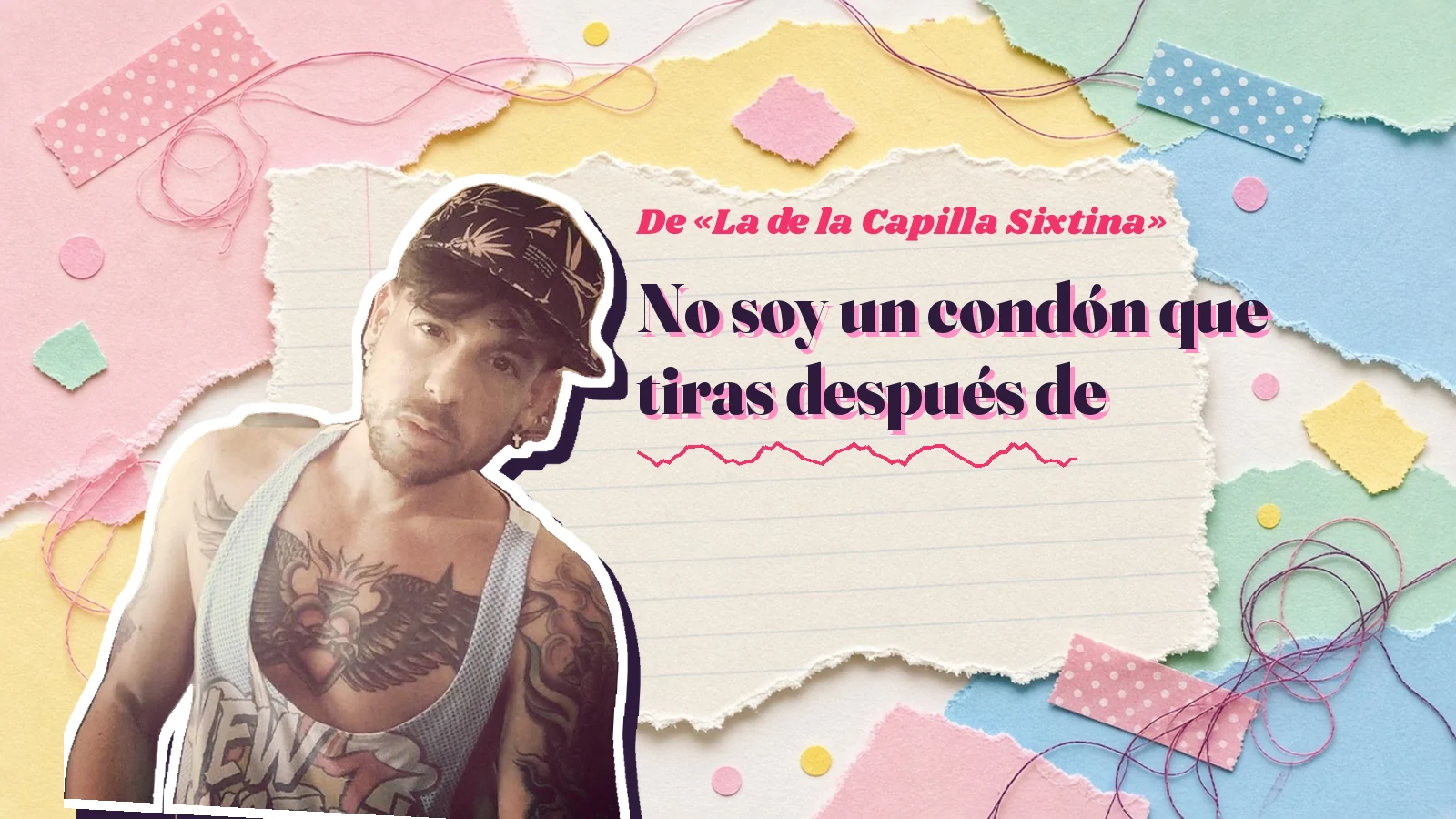
That feeling of having been used is probably what pushes people hardest to close the circle. It isn't just that you were left or lied to. It's that you were treated like an object, something useful while it's useful and then discarded. And against that, the lyrics answer twice over: first, by stating in their own words that no, they are not that; and second, by sticking with the people who never treated them that way.
I find it telling that the brutal line comes straight after the chosen-family line. First you say who counts, then you say what you'll never allow again. It's a logical order: before setting limits, you remember who has your back.
Six lives spent
The tally of lives is another detail that makes me smile. Six used up, and the seventh is the final one. In Spain and much of the Spanish-speaking world cats have seven lives, while in English-speaking countries they usually get nine. The lyrics stick with the homegrown version.
What I like about that tally is that it doesn't mourn the previous six. It doesn't say "I've wasted six lives" or "they took six lives from me". It says "I've already used six". Like someone who has spent something that was theirs to spend. There were mistakes, blows, relationships that went wrong, but they were lives lived, not lives stolen.
And the seventh is different. Not because it'll be perfect, but because it's the last and the narrator knows it. That changes how you look after it. When you've only got one left, you don't lend it to just anyone.
A ceiling four years in the making
The Sistine Chapel has a history that fits beautifully with this idea of a life to be looked after. Michelangelo painted the vault between 1508 and 1512, four years of work, much of it up on scaffolding, gazing upwards. Decades later he returned to the chapel to paint the Last Judgement on the altar wall.
But there's an episode I find even lovelier for this song. After the Council of Trent, another painter, Daniele da Volterra, was commissioned to cover some of the nudes in the Last Judgement with drapery and cloths. He was saddled forever with the Italian nickname "Il Braghettone", something like "the breeches-maker". And centuries later, in the great restoration at the end of the twentieth century, centuries of smoke and grime were cleaned away and colours almost nobody remembered came back to light.
If the seventh life is "the Sistine Chapel one", I like to think it carries that history inside it too. A work made with enormous effort, which others tried to cover up or correct, which got dirtier over the years, and which was finally restored until it shone again. Many people who've come out of harmful relationships would recognise themselves in that: what's needed isn't becoming someone else, but scrubbing off the soot.
And there's one last thing I love about the comparison. You don't just wander into the Sistine Chapel. There are queues, there are rules, there are guards asking for silence and no photos. It's a place you enter with respect, looking up, knowing that what's inside is not to be touched. If the seventh life is that chapel, whoever wants in will have to queue, follow the rules and look up. No more barging in, rushing, or grubby hands. That, deep down, is the song's promise: this life has guards, and the guards are your people.
The room where decisions are made
There's another detail about the Sistine Chapel that suits these lyrics perfectly, and maybe it isn't the first that comes to mind. As well as being a museum and an artistic jewel, it's where the conclave is held. When a pope dies, the cardinals shut themselves in there to choose the next one, and the whole world waits watching a chimney. Black smoke, not yet. White smoke, it's decided.
I love picturing the seventh life as white smoke. After six failed rounds of voting, white smoke at last. Done. Chosen. And what's chosen isn't a pope, of course, but a way of living: with my own, not letting anyone use me, not lending out what isn't for lending.
The conclave has another thing in common with the rest of the song: it happens behind closed doors. Only those who need to be in are in, and everyone else waits outside. That's exactly what the lyrics propose for this new chapter. The door closes, the trusted people stay inside, and the decision is made without interference.
What your people actually do
I'd like to bring "my people" down to earth a bit, because these ideas can drift into the abstract. What, concretely, do your people do? I think anyone with a Patry knows the answer.
They pick up the phone at any hour without asking why you're calling so late. They turn up at your place with something to eat when you haven't left your bed in two days. They tell you the truth even when you don't like it, but they tell it to you and not to everyone else. They remember your birthday without an app reminding them. They don't need the backstory because they already know it all.
And above all, they were there before the disaster and they're still there after. Partners come and go. Some last years, others weeks. But your people have a different way of staying. They make no solemn promises; they simply carry on being there, birthday after birthday, break-up after break-up.
When the lyrics say they'll only trust those people again, they're quietly paying tribute. They're saying that in the middle of the disaster, some people didn't fail. And that their constancy is worth more than every "I love you" from those who left.
Queer culture celebrates this a lot, and rightly so. Many of our loveliest stories aren't couple stories but friendship stories. Groups of friends who look after each other, shared flats that turn into homes, people who find each other in a big city and decide not to let go. In fourteen lines, the song leaves room for all of that.
Saying the name like a mantra
The song ends by repeating the seventh life's nickname three times. It adds nothing else, explains nothing, closes with no moral. Just the name, once, again, again.
Saying something three times has a touch of the spell about it. It's in fairy tales, in prayers, in children's games. What's said three times sticks. In these lyrics, the triple repetition works as a way of etching the decision in. This life is the good one. This life is the good one. This life is the good one.
And because the lyrics are so short, that repetition takes up nearly a quarter of the text. In other words, the song spends more space affirming the worth of the new life than recounting what happened in the old ones. That seems a very healthy proportion to me.
When to open the circle again
I said "never again" is a phase, and I want to linger on that. I don't mean to hand out advice, because the song doesn't. But I think there's a way of reading these fourteen lines that goes beyond anger.
The lyrics don't say "I'll never love anyone again". They say they'll never again trust anyone who isn't their people. And your people are not a group sealed forever. Patry, at some point, was a stranger too. Everyone who now makes up "my people" walked through the door once without us knowing if they'd stay.
What does change, after six lives, is the filter. You no longer get into the circle through charm, or attraction, or because you tell someone what they want to hear. You get in through deeds. By being there when it counts. By not using what you know against them. By never treating them as something to throw away.
I think that's the real lesson of the seventh life. It isn't about shutting the door, but about hiring a doorman who knows whom to let in.
The lyrics, once more
Now that we've gone all the way around the song, here it is in full again. It's worth rereading with all this in mind, because it reads differently the second time:
Ya , nunca más,
Volveré
A confiar
En alguien
Que no sea mi gente
O mi Patry
Lo demás es siempre para aniquilarme
No soy un condón que tiras después de
Usarse
Y ya he usado seis vidas
La séptima es la definitiva
La de la capilla sixtina
La de la capilla sixtina
La de la capilla sixtina
An album longing for somewhere else
The song is on Ojalá se pudiera viajar a Gayfolk (If Only You Could Travel to Gayfolk), the second album of the Planeta Gayfolk trilogy. That whole album is shot through with longing for a better place, a planet where things work differently. And this song fits there in a very specific way: if that planet exists, it's surely populated by everyone's people. By the Patrys of the world.
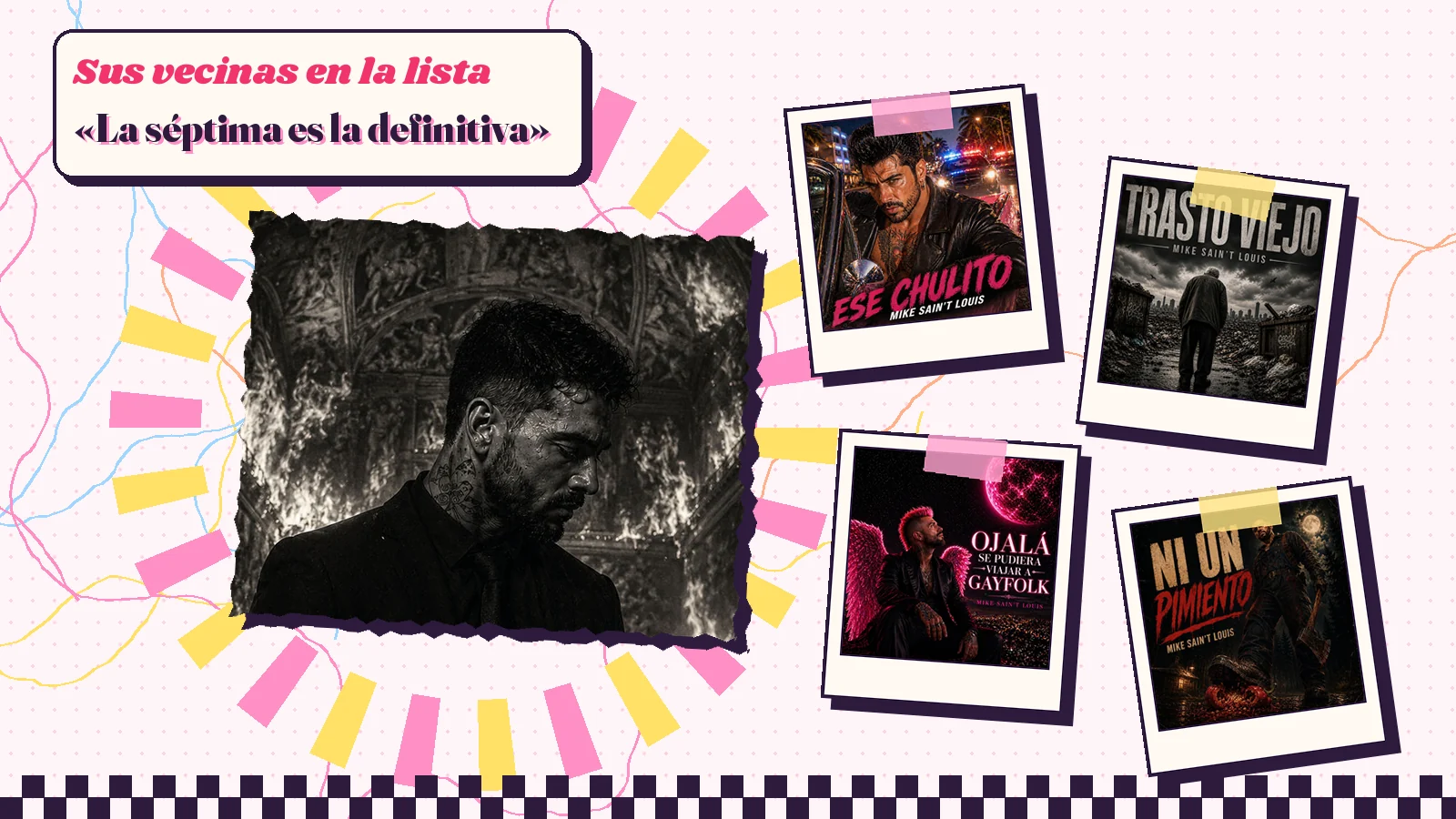
On the singles list it comes right after Ni un pimiento (Not a Single Pepper) and right before Fear Zero. I love that order, almost by accident: first contempt, then the oath to stick with your own, and then a song about losing your fear.
Who this song is for
For anyone just out of something that left them in shreds and now in the "never again" phase. For anyone who has a Patry, or a Javi, or a Mari, and knows they'd never have got out of the last one without that person. For anyone who lost the family they were born into and built another with their own hands.
And for anyone who knows they have one life left and has decided this one isn't on loan to just anybody.
How to listen
The song is on the singles page and on every platform, and you can download it for free from the downloads section. It's short, so play it twice in a row, the way we've done with the lyrics here. And send it to your Patry.
As a lyricist, composer and music producer, I like the catalogue to have songs this brief that get straight to the point. The music and the vocal performances are generated with artificial intelligence, but gratitude for the people who hold you up is as human as it gets.
Frequently asked questions
What is La de la Capilla Sixtina about? Someone who, after being used and hurt, swears they'll only ever trust their own people and their friend Patry again. They've spent six lives, and the seventh, the final one, they call "the Sistine Chapel one".
Who is Patry? A character in the song: the trusted friend, the one who's always there. She doesn't refer to any particular person.
Why do the lyrics appear twice in this post? Because they're very short and make more sense read in full, first before the discussion and then again after it, with everything in mind. The lyrics have not been altered.
What is chosen family? The network of friends, exes and close people that works as a real family. It's a hugely important idea in LGBTQ+ culture, especially for people rejected by the family they were born into.
Who makes this song? Mike Sain't Louis, a lyricist, composer and music producer who calls himself "the first AI songwriter": he writes the lyrics and directs the production, and the music and vocal performances are generated with artificial intelligence.